
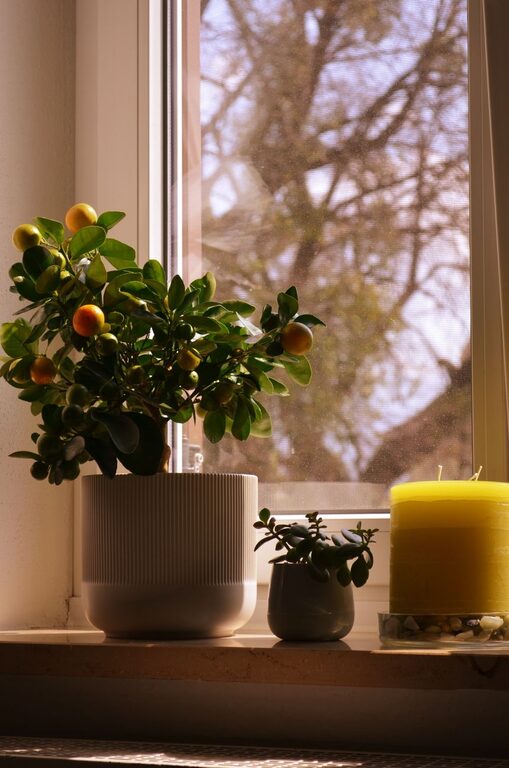
Bringing plants into your home is one of the easiest and most rewarding ways to refresh your living space. Not only do plants add beauty and color, but they also improve air quality and create a calming atmosphere. Whether you are a seasoned plant parent or a beginner, there are plenty of ways to incorporate greenery into your home to brighten and refresh your environment.
Why Add Plants to Your Home?
Plants offer many benefits beyond just looking pretty:
– Improved air quality: Many houseplants help filter the air by absorbing toxins.
– Stress reduction: Being around plants can promote relaxation and reduce anxiety.
– Enhanced decor: Plants add texture, color, and life to any room.
– Improved humidity: Plants release moisture, which can make your home feel fresher.
With these benefits in mind, let’s explore how to choose and arrange plants to refresh your home.
Choosing the Right Plants for Your Space
When selecting plants, consider the light, temperature, and humidity in your home as well as your lifestyle and care preferences.
Assess Your Space
– Light levels: Determine if your spot gets bright, indirect, low, or direct sunlight. This will help you pick plants that thrive in those conditions.
– Humidity: Bathrooms and kitchens tend to be more humid, which is great for tropical plants.
– Temperature: Most houseplants prefer temperatures between 65°F and 75°F.
Plant Suggestions by Light
– Low Light: Snake plant, pothos, ZZ plant, and peace lily.
– Medium Light: Spider plant, philodendron, dracaena.
– Bright Light: Succulents, cacti, fiddle leaf fig, rubber plant.
Tips for Arranging Plants in Your Home
How you place your plants can make a big difference in the overall look and feel of your space.
Use a Variety of Sizes and Heights
Mix tall floor plants with smaller tabletop plants to create visual interest. For example, place a large fiddle leaf fig in a corner and arrange small succulents or ferns on shelves or side tables.
Group Plants Together
Grouping plants creates a mini indoor garden and makes a big impact. Use a tray or grouping of pots to gather plants with similar care needs.
Choose Stylish Pots
Pots add to the décor too. Neutral colors like white, beige, and terracotta work well in most interiors. For a pop of color, pick pots that complement your room’s palette.
Use Vertical Space
If you’re short on floor space, try hanging planters, wall-mounted shelves, or plant stands to elevate greenery.
Caring for Your Indoor Plants
Healthy plants look vibrant and help your space feel refreshed. Here are some basic care tips:
– Watering: Avoid overwatering; most indoor plants like to dry out between watering. Check soil moisture with your finger.
– Lighting: Rotate plants regularly to ensure even light exposure.
– Cleaning: Dust leaves with a damp cloth to keep them healthy and photosynthesizing efficiently.
– Feeding: Use houseplant fertilizer every 4-6 weeks during the growing season.
Creative Ways to Incorporate Plants
Plants can be integrated in many creative and functional ways:
Use Plants as Room Dividers
Tall plants in large pots make natural dividers and can create cozy zones within open-plan spaces.
Add Plants to Your Kitchen
Herbs like basil, mint, and rosemary not only refresh your kitchen visually but also smell great and can be used in cooking.
Create a Green Reading Nook
Place a comfortable chair near a group of plants to build a cozy and inviting corner perfect for relaxing.
Bathroom Oasis
Add humidity-loving plants like ferns or orchids to your bathroom to create a spa-like atmosphere.
Troubleshooting Common Issues
Even with care, indoor plants sometimes face challenges. Here are quick fixes for common problems:
– Yellowing leaves: Usually caused by overwatering or poor drainage.
– Wilting: Check if the plant needs water or if it’s overexposed to direct sunlight.
– Pests: Look for tiny bugs or sticky residue, and treat with mild insecticidal soap if needed.
Final Thoughts
Refreshing your home with plants is a fun and affordable way to breathe new life into your space. Start small with a few easy-care plants and build your indoor garden gradually. With the right selection, thoughtful placement, and a little care, your home will feel brighter, fresher, and more inviting in no time.
Happy planting!